
Counties on the Frontlines
As the affordability crisis squeezes Americans, counties need more federal funding, not less.

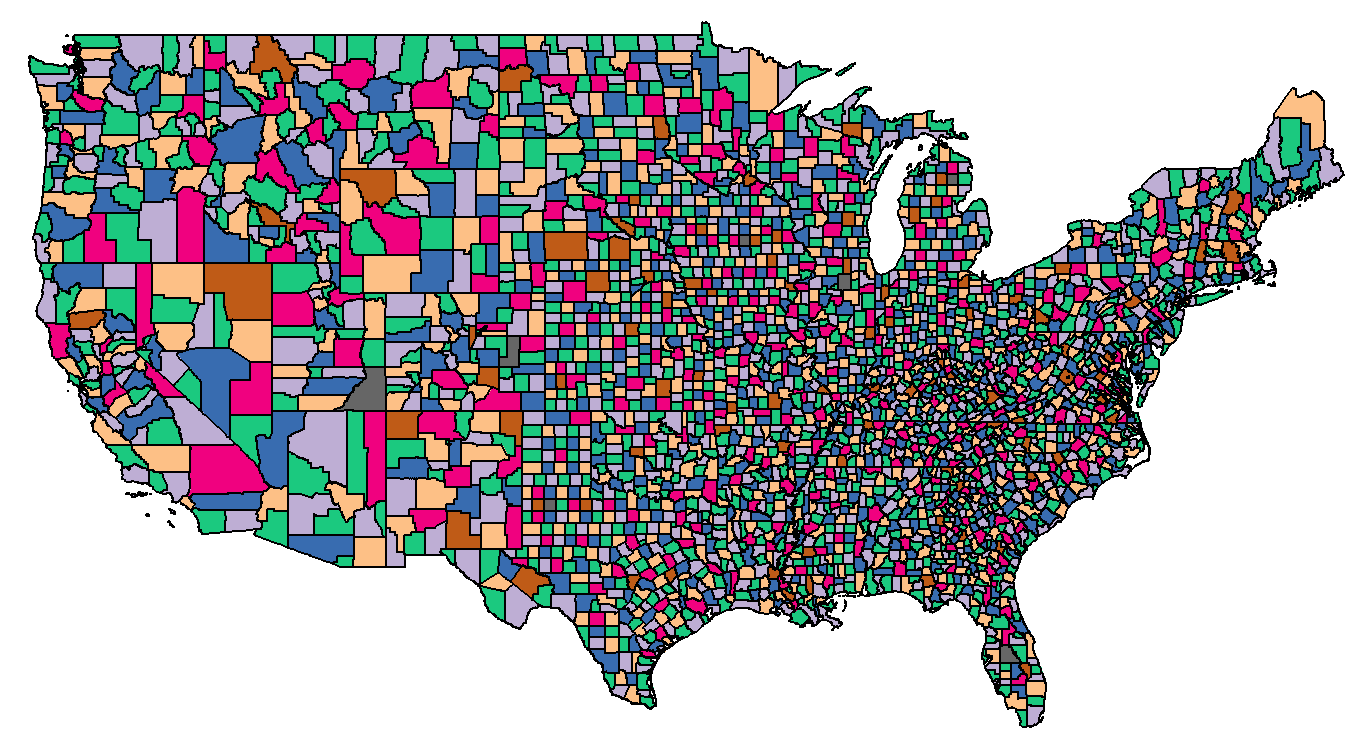
America’s affordability crisis is landing squarely on the desks of county governments.
As federal leaders cut major safety-net programs, America’s 3,069 counties are left with the consequences–from overwhelmed healthcare systems to families falling behind on rent and food.
If Washington wants communities to stay afloat, the answer isn’t austerity. It’s giving counties flexible federal funding to stabilize their residents directly.
Most of us aren’t aware of the enormous amount of value our county governments provide.
Take healthcare, for example: County governments invest $100 billion annually into community health. In 26 states, counties contribute to Medicaid, along with state and federal funding sources. In rural counties–which account for 70% of all U.S. counties–Medicaid is the largest source of public health coverage and a lifeline for healthcare facilities and providers.
Approximately $911 billion will be cut from Medicaid over the next 10 years, because of the passage of H.R. 1, the so-called “Big, Beautiful Bill”. An estimated 10 million Americans will lose their health coverage, and 190 rural hospitals are at immediate risk of closure, affecting even those who do not rely on Medicaid. Other social safety net programs that send federal funds to states and counties were also slashed, including SNAP food assistance, housing vouchers and veterans services.
All told, these cuts will affect hundreds of millions of Americans–and local governments will be left dealing with the fallout.
Building a government that works for everyone means sending unrestricted funds to local governments, who are best equipped to meet the unique needs of their communities. We saw this model work during the Covid-19 pandemic, when counties received block grants through the American Rescue Plan (ARPA) and similar federal legislation. It supercharged the ability of county governments to meet the needs of their constituents, and bolstered local economies.
Cook County is home to Chicago, and also one of the largest guaranteed income programs in the nation, which launched with ARPA funds. Cook County Promise provided monthly, no-strings-attached payments of $500 to 3,250 households for two years, beginning in 2022. Recipients used funds on basic needs, like food and utility bills, and experienced less mental and emotional stress due to financial uncertainty. They were able to meet unexpected emergencies without relying on predatory lenders, and improved their overall financial stability. The Promise pilot also generated an economic impact of $7.8 million annually, supporting around 60 jobs with $2.4 million in employee compensation within Cook County.
“We launched the Promise Pilot to test a simple but powerful idea: that direct cash support helps residents live healthier, more stable lives,” said Cook County Board President Toni Preckwinkle. “Now, thanks to promising early results and the dedication of our partners and participants, we are ready to take the next step.” Cook County has included funding in its 2026 budget to support the next phase of its guaranteed income work.
There are at least 31 county-led guaranteed income pilots across the nation, many of which used federal ARPA dollars to stabilize family budgets, improve community health and safety, and strengthen the resilience of local economies. Counties for a Guaranteed Income, a network of 57 elected officials advocating for direct cash policies, collects data on pilot results and supports counties looking to launch pilots locally.
State leaders are also stepping in to address the challenges faced by federal funding cuts. Direct cash assistance, which has less administrative red tape and meets a wider swath of needs, is being proposed in some form in at least 26 states–and over half the nation stands to benefit.
Washington may debate the safety net, but counties are the ones holding it together. For county leaders, poverty isn’t abstract–it’s a visceral reality harming families, overcrowding hospitals, and destroying local economies.
Counties have already shown that direct cash can stabilize communities. Delivering state and federal funds to county budgets would simply scale what works, increasing the capacity for local elected officials to plan, implement and evaluate policies that advance an equitable, prosperous future.